Welding Handyman Design Review
As an embroidery designer who spends my days testing machine embroidery designs for seasonal product lines, I approach every new file with a mix of anticipation and critical thinking. When I first opened the Welding Handyman embroidery file, I knew immediately this was a design that could bridge the gap between everyday workwear and thoughtful holiday gifting. Let me walk you through my review from a practical, shop-ready perspective.
First Impression and Seasonal Mood
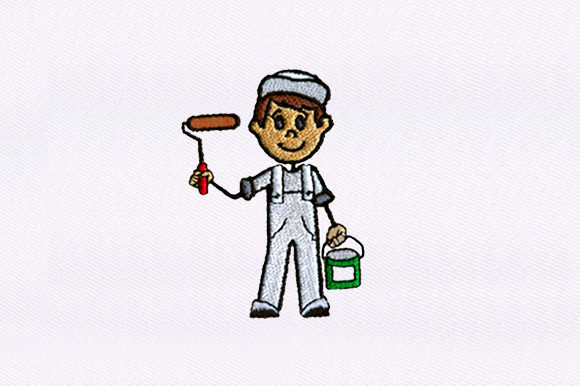
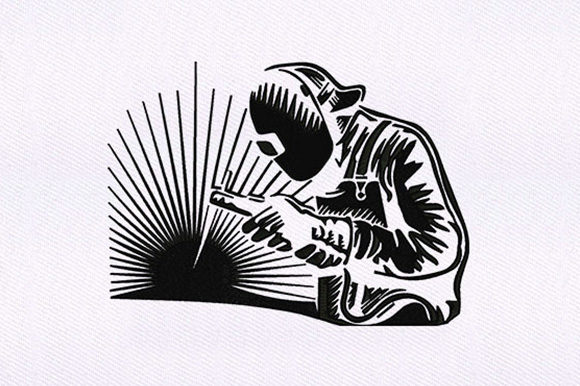
Opening the Welding Handyman design, I was struck by its grounded, industrious character. This is not a whimsical or delicate motif—it carries the energy of skilled trade, with clean lines and a bold silhouette that reads clearly from a distance. In terms of seasonal mood, this design leans into nostalgic, rustic, and premium territory. It evokes the feeling of a well-worn workshop apron or a father’s favorite flannel shirt. For holiday collections, this translates beautifully into themes of family legacy, handcrafted gifts, and celebrating the people who build and fix things around us. Think Father’s Day, Christmas for the handyman, or even a “thank you” gift for a contractor or neighbor. The emotional tone is sincere, sturdy, and quietly proud—not flashy, but deeply resonant for the right audience.
From a decorative standpoint, the design offers a moderate level of detail. The stitch count of 52,651 stitches for a hoop size of 8x10 inches (9.82 x 7.34 inches) tells me this is a substantial piece, not a quick fill. It has weight and presence. It feels premium rather than cute or playful, which opens up possibilities for high-value product tiers. If you are building a seasonal collection, this design can serve as a centerpiece for limited edition apparel or personalized gifts that command a higher price point.
Performance in Real Holiday Selling Situations
Let me assess how Welding Handyman performs across the key selling channels you likely rely on. In an Etsy listing, this design photographs well on dark fabric because the bold lines and negative space create strong contrast. You can use a printable mockup to show it on a heavyweight sweatshirt or a canvas tote, and customers will immediately visualize gifting it to the welder, mechanic, or DIY enthusiast in their lives.
For craft fair displays, this is a design that stops traffic. When displayed on a finished apron or a sturdy pillow cover, it communicates giftability instantly. Shoppers looking for unique, meaningful holiday gifts will gravitate toward it because it feels personal without being overly sentimental. You can easily create family matching items—for example, a sweatshirt for dad, a tote bag for mom, and a small patch for a child’s jacket—using the same machine embroidery design in different sizes, though I caution about smaller hoops later.
When promoting on social media, show the design in action: a video of the embroidery process, a close-up of the stitch details, or a styled flat lay with tools and cozy winter props. The holiday embroidery angle works because it ties into the season of giving. Consider bundling Welding Handyman with a related digital product, like a set of tool-themed designs, to increase perceived value. For limited edition apparel, using this design on a thick, quality sweater or a heavy denim jacket justifies a premium price and encourages quick purchases during the holiday rush.
Home Decor and Gift Options
Beyond apparel, think about kitchen towel embroidery for a whimsical touch in a rustic-themed kitchen, or a pillow cover for a workshop-themed man cave. The design also works beautifully as an embroidered patch sewn onto canvas tool bags, lunch bags, or even a leather apron. For baby items, consider a small patch on a onesie for a “future handyman” gift—though always test stitch density on soft fabrics. Table linens and ornaments are more challenging due to size, but a single ornament featuring this design could become a cherished keepsake.
Where to Use Welding Handyman Carefully
No design is perfect for every application, and Welding Handyman has specific limitations you must consider before adding it to your seasonal product line.
- Small hoop sizes: The design is built for an 8x10 hoop. Shrinking it down to fit a 4x4 or even 5x7 hoop will cause significant detail loss, especially in any fine lines or small text (if present—I recommend checking the actual file for lettering). The stitch density of 52,651 stitches is already high, and reducing the size will create dense, stiff stitching that may pucker on thinner fabrics.
- Tiny lettering: If the design includes small text, test it thoroughly on both light and dark fabric. Light thread on dark fabric is essential for readability, but small letters below 0.25 inches may become illegible. Always perform a test stitch before committing to production.
- Layered details: With moderate detail, overlapping elements can cause thread breaks or misregistration on stretchy or textured materials. I recommend using a cut-away stabilizer for most applications, especially on sweatshirt embroidery or fleece, to support the density.
- Thick towels and heavy fabrics: While the design can work on towels, the high stitch count means it will use significant thread and may cause the fabric to pucker if not properly stabilized. Use a water-soluble stabilizer on top and a tear-away or cut-away underneath. For dark fabric, ensure your thread colors contrast strongly—metallic thread is not advised here because the density will cause tension issues.
- Stretchy garments: T-shirts and knits will require a ballpoint needle and a lightweight cut-away stabilizer. Test on a scrap first to confirm the design does not distort. Curved caps are not recommended due to the design’s size and shape; it is too wide for most cap frames.
- Repeated washing: For items like aprons, towels, or baby gifts that will be washed frequently, use high-quality thread and a dense border (if the design has one) to prevent fraying. A tight column stitch for outlines will hold up better than satin stitches on edges.
Seasonal Appeal and Buyer Emotion
The real question for any holiday embroidery design is: does it make someone feel something? With Welding Handyman, the answer is yes, but it targets a specific emotional chord. It speaks to appreciation, practicality, and the pride of skilled work. Buyers who purchase this as a handmade gift are often seeking a present that says, “I see what you do, and I value it.” This is powerful for Father’s Day, Christmas, or even a birthday for a tradesperson.
The design’s product value is high because it looks expensive. The stitch count and file details (multiple formats including DST, PES, JEF, etc.) make it versatile for different embroidery machines, which is a selling point for other digital embroidery file buyers. As an Etsy seller, listing this design as both a digital download and a finished product can double your revenue potential. For small shop product lines, it adds a sense of authenticity and niche appeal that generic holiday designs lack.
Customer trust builds when you show that you understand the end user. By using this design on tote bag designs or work shirts, you demonstrate a clear use case. Visual recognition is strong—the silhouette is distinct enough to be memorable in social media feeds or booth displays. During the holiday shopping period, when engagement is high, this design can generate conversation and shares because it resonates with a specific audience.
Practical Embroidery Designer Notes
Before you start stitching Welding Handyman for your seasonal collection, here are my tested recommendations based on real production experience.
- Test thread colors on both light and dark fabric. The design likely works best with high-contrast color pairings—think gold or red on black for a festive look, or charcoal on cream for a more subtle, everyday vibe. Run a small sample on each fabric tone to ensure the detail pops.
- Check stitch density with your machine’s default settings. At 52,651 stitches in a 9.82x7.34-inch area, the density is moderately high. If your machine pulls or the fabric puckers, consider reducing the stitch density slightly in your software, or use a heavier stabilizer. I recommend a medium-weight cut-away stabilizer for most woven fabrics and a heavy-weight for knits.
- Confirm hoop size before resizing. The design is optimized for the 8x10 hoop dimensions provided. If you try to use it in a smaller hoop without adjusting, you risk clipping edges or distorting the design. Always note the exact hoop size required in your product listings.
- Use proper stabilizer for the fabric type. For sweatshirt embroidery, use a cut-away stabilizer and a mesh topping to prevent the nap from swallowing the stitches. For kitchen towel embroidery, a water-soluble topper is essential to keep stitches sharp.
- Create realistic mockups for your listings. Show the design on a variety of items—a heavy hoodie, a canvas tote, an apron. This helps customers visualize the finished product and increases conversion rates.
- Review small details after stitching. If the design includes any narrow elements, check for thread breaks or skipped stitches. Use a magnifying lens if needed. Fine-tuning the thread tension may be necessary for tiny areas.
- Plan matching color palettes for your seasonal line. For a Christmas collection, pair Welding Handyman with red, green, or metallic gold thread. For a Father’s Day line, stick with browns, grays, and blues. Consistent palettes build brand consistency and make your shop look curated.
- Confirm commercial licensing before selling finished products. Review the license terms included with the machine embroidery design file. Most digital files allow you to sell finished goods, but always double-check. This protects your business and maintains customer trust.
In summary, Welding Handyman is a versatile and robust embroidery file that can anchor a seasonal product collection. Its work centered theme, combined with thoughtful placement and careful production planning, will appeal to buyers looking for meaningful, high-quality handmade gifts. With the right hoop size, stabilizer, and thread choices, this design will serve you well through multiple holiday seasons and become a staple in your catalog. Happy stitching, and here is to creating products that customers genuinely cherish.