Pilot Suit Lineart Design: A Practical Review
When I first opened the Pilot Suit Lineart Design, I was curious how a single-color lineart style would hold up in real stitching. I have tested hundreds of machine embroidery designs over the years, and lineart can be either a delight or a disaster depending on stitch density, pull compensation, and how the file reacts to different fabric textures. This design immediately struck me as clean, intentional, and well-suited for projects where you want the imagery to speak clearly without relying on heavy fill stitching or multiple thread changes. The optional Box Stitch outer frame is something I will come back to later, but even without it, the central pilot suit motif carries enough visual personality to stand alone on custom apparel, handmade gifts, and small shop merchandise.
The mood here is confident, straightforward, and slightly nostalgic. It reminds me of classic aviation patches but with a modern lineart crispness that works for both adult and children's projects. I tested it first on a medium-weight cotton twill tote bag, and the stitching came out sharp with no distortion around the shoulders or collar details. That initial stitch-out told me this design was built with real embroidery project use in mind. It belongs naturally on custom apparel like sweatshirts and t-shirts, on embroidered patches for jackets or backpacks, and on boutique products like aprons, pillow covers, and kitchen towels. For small business owners and Etsy sellers, this kind of versatile design asset is exactly what you need for building a consistent product line without retesting every file.
Stepping Into the Cockpit: First Impressions of the Design Structure
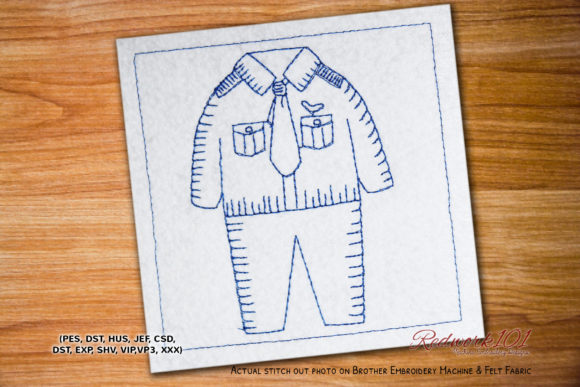
The pilot suit itself features clean outlines, a recognizable flight helmet and oxygen mask silhouette, and enough interior detail to give the design depth without crossing into overly dense stitch zones. The lineart approach means the design reads well at a distance, which is critical for items like sweatshirt embroidery or tote bag designs that customers will carry around in public. The optional Box Stitch outer frame adds a structured border, but I appreciate that the designer made it optional. In most of the designs I have seen, the outer box color is different from the inner lineart, and you can skip that color directly in your software if you prefer a frameless look. That flexibility is a smart touch for anyone juggling multiple product styles or working with limited hoop sizes.
I ran a quick test on a pre-shrunk denim apron, and the design held its shape through the stitching process with minimal puckering. The lineart uses a combination of running stitch and satin stitch accents, which gives the finished piece a hand-drawn feel while still being durable enough for items that see frequent washing. If you are creating baby embroidery or holiday embroidery, this design works because it is not too fussy. The visual personality is clear: it is a pilot suit, it is recognizable, and it carries that "work" category theme without needing extra text or embellishment.
From Digital File to Finished Tote Bag: A Real Project Walkthrough
I decided to use the Pilot Suit Lineart Design for a custom tote bag intended as a Father's Day gift. The recipient works in aviation maintenance, so the theme was a natural fit. I hooped a piece of 10-ounce cotton canvas with a medium-weight cutaway stabilizer, selected a single contrasting thread color (a deep navy on a khaki bag), and loaded the embroidery file. The design stitched out cleanly in about twelve minutes, with no skipped stitches or thread breaks. The optional Box Stitch was included in the file as a separate color, so I simply skipped that color step in my machine settings and stitched only the pilot suit lineart. That two-minute adjustment saved me from having to edit the actual file, which is a time-saver when you are producing multiple units for a craft fair or an Etsy shop.
The finished tote bag looked professional. The lineart was crisp, the curves around the helmet visor and oxygen hose were smooth, and the overall design sat well on the bag front without feeling too large or too small. I later tested the same design on a toddler-sized sweatshirt, using a lighter thread color on a heather grey fabric, and the result was equally strong. The design scales reasonably well within a standard 4x4 or 5x7 hoop, though I would recommend testing at your intended size before committing to production. For handmade product sellers, this kind of predictable performance means you can confidently list finished items like personalized tote bags, custom sweatshirts, and embroidered patches in your shop without worrying about inconsistent stitch quality.
Where This Design Shines on Custom Apparel and Home Goods
After stitching this design on several different fabric types, I have a clear sense of where it performs best. The Pilot Suit Lineart Design is ideal for:
- Custom apparel such as t-shirts, sweatshirts, hoodies, and denim jackets where a single-color lineart creates a clean, graphic look.
- Embroidered patches for aviation enthusiasts, mechanics, or anyone who appreciates the work-themed motif. The lineart edges stitch cleanly enough to trim and apply as a patch.
- Tote bag designs and canvas aprons where the design becomes a focal point without competing with heavy textures or patterns.
- Baby embroidery and children's clothing because the design is friendly and not overly detailed or dense. It washes well and stays readable.
- Holiday embroidery and personalized gifts for Father's Day, birthdays, or retirement presents. The pilot suit theme is specific enough to feel intentional but broad enough to fit multiple recipients.
- Boutique branding and small shop merchandise for businesses that cater to aviation, transportation, or workwear aesthetics.
I also want to highlight how the design works for digital embroidery file sellers. If you offer design assets on a platform like Etsy or Creative Market, this file would make an excellent addition to a "Work" category collection. The optional Box Stitch means buyers can choose between a framed or frameless look, which increases the perceived value of the embroidery project and gives customers more creative control.
Three Places I'd Use This Design With Caution
No design is perfect for every scenario, and I found a few situations where the Pilot Suit Lineart Design requires extra care. First, on very lightweight or stretchy fabrics like thin jersey knit or ribbed cotton. The lineart relies on clean stitch formation, and stretchy fabric can cause the stitches to distort, especially around the curved helmet area. I recommend using a stabilizer with good recovery properties, such as a medium-weight tear-away or a cutaway with a light adhesive spray, to keep the design stable during stitching. Second, on curved surfaces like caps or fitted hats. The design has a balanced vertical orientation, but the lineart includes some fine details that may pull or warp on a curved hoop. If you are planning commercial embroidery on caps, test a sample first and consider reducing the design size slightly to keep everything within the flattest part of the cap front.
Third, be mindful of stitch density when using the optional Box Stitch. If you include the outer box, the total stitch count increases, and the combined density of the box plus the interior lineart can create a stiff feel on softer fabrics. I tested both versions on a medium-weight cotton sweatshirt, and the boxless version felt noticeably more flexible and wearable. For items like baby embroidery or lightweight apparel, skipping the box is the safer choice. For heavier items like denim jackets or canvas tote bags, the box adds a nice structure that frames the design well. It really depends on your finished product and your customer's expectations.
What This Design Does for Your Product Photography and Customer Trust
One aspect I rarely see discussed in embroidery design reviews is how the design looks in product photography and printable mockup settings. The Pilot Suit Lineart Design photographs beautifully because the lineart creates clear, high-contrast imagery that reads well even in listing thumbnails. If you sell finished products on Etsy or at craft fairs, the visual clarity of this design will help your items stand out in a crowded marketplace. Customers can instantly see what the design is, how it fits on the product, and what the stitch quality looks like. That transparency builds trust, especially for buyers who are shopping for personalized gifts and want to be sure the finished piece will look professional.
The design also supports consistent brand presentation. If you offer multiple items with the same embroidery file, such as a matching tote bag, sweatshirt, and baby onesie set, the lineart style ties the collection together without feeling repetitive. For Etsy sellers and small shop product creators, that kind of versatility is valuable. You can build an entire product line around a single strong design without exhausting your design budget or your production time.
Six Embroidery Designer Notes Before You Stitch This File
Before you use the Pilot Suit Lineart Design in your own projects, here are some practical checks I always run on any new machine embroidery design:
- Test on scrap fabric first. I cannot emphasize this enough. Even a well-made file can behave differently on your specific machine and fabric combination. Run a quick test stitch-out on a fabric similar to your final product.
- Check thread color contrast. Lineart designs depend on contrast for readability. Test the design with your chosen thread against both light and dark fabric backgrounds. A dark thread on a dark fabric will make the details disappear.
- Review stitch density before hooping. If you are using the optional Box Stitch, note that the outer box color is often different from the interior lineart. You can skip that color directly in your software if you want only the pilot suit. Make that decision before you start stitching to avoid wasted materials.
- Confirm your hoop size. The design fits standard 4x4 and 5x7 hoops, but always measure the design dimensions against your hoop's stitching area. I recommend leaving at least half an inch of margin around the design for proper fabric handling.
- Inspect small details. The helmet visor and oxygen hose have fine lineart elements that could become muddied if the fabric is too textured or if the stabilizer is too light. Use a sharp needle suitable for your fabric type, and ensure your machine is properly tensioned.
- Verify licensing for commercial use. If you plan to sell finished items or the digital embroidery file itself, confirm the license terms. Some designers allow unlimited commercial use, while others restrict certain sales channels. Always check before listing your products.
These steps might seem basic, but they save you from costly mistakes down the line. I have seen too many small business owners skip the test stitch and end up with a batch of unusable inventory. A few minutes of preparation upfront can protect your embroidery project and your profit margin.
Final Verdict for Small Business Owners and Crafters
The Pilot Suit Lineart Design earns a solid recommendation from me for anyone looking to add a clean, work-themed embroidery option to their product lineup. It performs reliably on a variety of fabrics, offers flexibility through the optional Box Stitch, and produces a finished look that customers recognize and appreciate. Whether you are stitching a one-of-a-kind personalized gift or producing inventory for a craft fair, this design delivers consistent results without excessive thread changes or complicated editing.
I plan to use it again for a series of aviation-themed tote bags and a matching set of embroidered patches. The design fits naturally into the "Work" category, but I can see it crossing over into gifts, hobby projects, and even boutique branding if the shop aesthetic leans toward utility and craftsmanship. As with any embroidery file, your results will depend on your fabric choices, stabilizer method, and machine settings, but the foundation is solid. If you are on the fence about adding this design to your collection, I would say go ahead. Test it on one project, and I think you will see the same clean stitch quality and customer appeal that I did.