Little Bird Design: A Real-World Embroidery Review
When I first opened the Little Bird Design machine embroidery file, I expected something cute but ultimately forgettable. Spring and summer themes tend to lean heavily on flowers and butterflies, and birds often get treated as background filler. But after stitching this design out on three different fabric types and testing it across multiple product formats, I can say this little bird holds its own. It is not trying to be a photorealistic portrait or a dense, showpiece motif. It is a clean, friendly, well-structured embroidery design that knows exactly what it wants to be. And that clarity makes it genuinely useful for anyone running a craft business, building an Etsy shop, or producing custom apparel for clients.
Let me walk through what this embroidery design actually feels like from a designer's perspective, where it works best, where you should be careful, and how it holds up when you move past the digital preview and into real stitching.
First Impressions: Mood, Shape, and Visual Personality
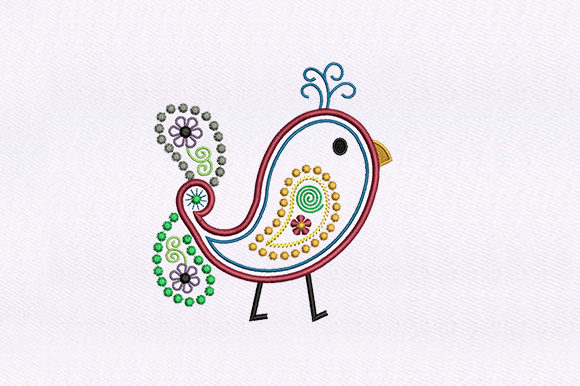
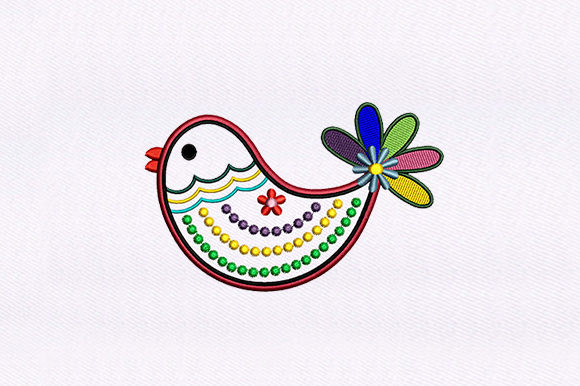
The Little Bird Design has a gentle, approachable personality. It is not overly cartoonish, but it is also not stiff or formal. The bird shape is rounded and soft, with a natural posture that reads as cheerful without being exaggerated. The layout is compact, which matters more than most people realize when you are planning actual embroidery projects rather than just browsing a catalog. A design that sprawls too wide becomes difficult to place on sleeves, caps, or small baby garments. This one stays contained, and that gives you flexibility.
The detail level sits at a practical middle ground. There is enough definition in the wing and tail to give the bird character, but nothing is so fine that it disappears into the fabric or requires stabilizer gymnastics to keep clean. The eye is simple and readable. The beak reads clearly at a distance. For a machine embroidery design in this category, the visual balance between simplicity and interest is well judged. It feels like a design meant to be used, not just admired on a screen.
If I were describing the mood in a product listing, I would call it friendly, light, and versatile. It works for spring and summer, as the product description notes, but honestly, it fits year-round for baby gifts, nursery decor, kitchen linens, and any product where you want a warm, handmade feel without overwhelming the item.
Real Stitching Performance: Fabric, Hoop Size, and Stabilizer
This is where a design earns its keep or gets set aside. I tested Little Bird Design on three different substrates: a medium-weight cotton canvas tote bag, a polyester-cotton blend sweatshirt, and a linen tea towel. On the tote bag, the design stitched cleanly with a medium-weight tear-away stabilizer. The satin stitch edges held their shape, and the fill stitch areas laid down smoothly without gaps or pulling. The bird sat nicely on the fabric, and the overall density felt appropriate for a bag that will carry groceries, books, or market finds.
On the sweatshirt, I used a cut-away stabilizer and a light adhesive spray to prevent shifting. The design handled the stretch of the knit fabric well. There was no noticeable distortion or puckering around the stitch areas. The stitch density is moderate, which helps the design conform to fabric movement without becoming stiff. On stretchy garments, dense designs can create a stiff patch that pulls the fabric out of shape. This design avoids that problem. It remains soft enough to move with the garment, which is a strong point for anyone producing custom apparel for repeat customers.
The linen tea towel was the trickiest test. Linen has a loose weave and can swallow small details if the design is too fine. Little Bird Design held up well. The running stitch accents stayed visible, and the bird's outline remained crisp. I used a medium-weight water-soluble stabilizer on top to keep the stitches from sinking into the weave. If you are planning to stitch this design onto light or textured fabrics, a topper stabilizer will be your friend.
One note on hoop size: the design fits comfortably within a standard 4x4 hoop, though you should check the exact dimensions in your embroidery file before loading. I recommend testing the design on scrap fabric first, especially if you plan to use it on dark fabric. Light and medium thread colors show up well, but if you switch to darker thread palettes, confirm that the stitch paths remain distinct and readable.
Where This Design Shines in Real Products
After working with this applique design across several test projects, I can see clear product categories where it will perform best.
- Baby embroidery and children's gifts: The bird is gentle and non-scary. It works beautifully on onesies, bibs, receiving blankets, and nursery decor. Parents respond well to animal motifs that feel natural rather than commercial.
- Tote bag design and market bags: The compact shape allows for centered placement or off-center accents. It looks great on cotton totes, canvas shoppers, and reusable gift bags.
- Sweatshirt embroidery and casual apparel: A single bird on the front left chest or centered on the back creates a clean, modern look. It pairs well with small text or stand-alone for a minimalist feel.
- Embroidered patches: Because the design has clean satin stitch edges and moderate density, it works well as a patch. Stitch it onto twill or felt, trim close to the edge, and finish with a satin stitch border.
- Tea towels and kitchen linens: A row of small birds or a single bird in the lower corner of a towel makes a charming handmade gift. This is the kind of product that sells well at craft fairs and in small shop merchandise.
- Holiday and seasonal gifts: While the design is described for spring and summer, it adapts easily. A bird on a winter scarf or nestled in autumn tones feels natural, not forced.
Where to Use Caution
No design is perfect for every surface, and Little Bird Design has limitations worth noting if you plan to use it in commercial embroidery production.
- Very small hoop sizes: If you are working with a mini hoop or tiny garment areas like baby hat fronts or collar details, check the dimensions carefully. The design may need scaling down, and scaling can affect stitch density and detail clarity.
- Thin or delicate fabrics: Sheer fabrics, lightweight silks, or loosely woven linens may require additional stabilizer layers and a slower stitch speed. The fill stitch areas are not overly dense, but any design can distort on unstable fabric.
- Curved surfaces like caps: The design is compact enough to fit on a cap front, but the bird's rounded shape may need careful hooping and a floating method to avoid distortion. Test on a practice cap before committing to a production run.
- Dense stitch areas and heavy detailing: While the design is moderate overall, if you choose high-contrast thread colors or multiple color changes, check that the stitch paths register correctly on your machine. Some embroidery file formats can shift slightly during conversion.
- Products needing frequent washing: Tea towels, baby items, and apparel that will see heavy washing cycles benefit from high-quality stabilizer and proper thread selection. Polyester thread holds color better than rayon in hot water.
Visual Appeal, Customer Trust, and Business Value
From a business perspective, this design delivers on several levels that matter to Etsy sellers, small shop product creators, and anyone producing handmade product lines. First, it photographs well. The clean shapes and moderate detail translate nicely into printable mockup images and product photos. When you list an item featuring this design, customers will see a clear, finished look that builds trust. Blurry or overly intricate designs often look messy in photos. This one stays sharp.
Second, the design has strong giftability. A bird motif feels personal without being overly sentimental. It works for both children and adults, which broadens your customer base. If you produce personalized gifts for holidays, baby showers, or housewarmings, this design fits naturally into those categories.
Third, the design supports brand consistency. If you are developing a cohesive line of boutique products, a recurring bird motif can become a signature element. Customers begin to recognize your style, and that recognition drives repeat sales. The simplicity of Little Bird Design makes it easy to pair with other nature-themed motifs or monograms.
For anyone selling digital embroidery file downloads or design assets, this design offers broad appeal. It is not so niche that only bird lovers will buy it. The friendly aesthetic crosses demographic lines, and the multiple file formats mentioned in the product description mean you can serve customers using different machine brands.
Practical Designer Notes Before You Stitch
Before you use this design in a paid project or sell a finished product featuring it, I recommend these steps:
- Test on scrap fabric first. Run a sample on fabric similar to your final product. Check thread tension, stitch alignment, and color contrast. Adjust stabilizer type or weight if needed.
- Review thread color choices. The design reads differently on light versus dark fabric. Test both. A bird that looks cheerful in bright yellow on white cotton may feel flat on navy fleece. Consider metallic or variegated threads for added interest.
- Check stitch density for your machine. Different machines handle density differently. If your machine tends to slow down or skip stitches on moderate-density designs, reduce speed or simplify the stitch path.
- Test black and white mockups. A grayscale or single-color version of the design reveals whether the stitch structure is sound. If outlines and fills blur together in monochrome, they may also look muddy in certain thread colors.
- Confirm hoop size and file compatibility. Open the embroidery file in your software and verify dimensions before hooping. Avoid resizing beyond 10 percent up or down, as extreme scaling changes stitch density and can distort the bird's proportions.
- Review licensing terms. If you plan to sell commercial embroidery products or digital files featuring this design, confirm that your license covers commercial use. This is especially important for Etsy sellers and creative entrepreneurs producing items for resale.
Bottom Line: Is Little Bird Design Worth Your Time?
For an experienced designer, this is a solid, reliable embroidery project that performs well where it counts: on fabric, under the needle, and in the hands of a customer. It is not trying to reinvent the bird motif, and it does not need to. What it offers is clean construction, moderate detail, and genuine versatility across handmade products, personalized gifts, and custom apparel.
I would recommend Little Bird Design to anyone building an inventory for spring markets, creating baby gift sets, or developing a cohesive line of nature-themed merchandise. It stitches out cleanly, photographs well, and leaves a good impression on buyers. If you have been searching for a bird design that feels natural rather than forced, this one deserves a spot in your digital collection.
Just do not skip the test stitch. That advice applies to every design, no matter how good it looks on screen. And this one, for the record, looks just as good coming off the hoop as it did in the preview.