Giant African Snail Embroidery Design for Craft Fair Products
First Impressions of the Giant African Snail Design
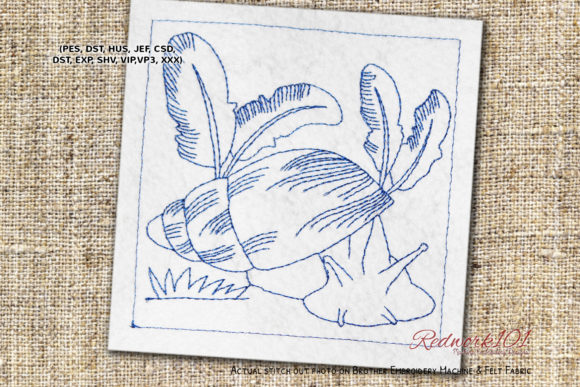
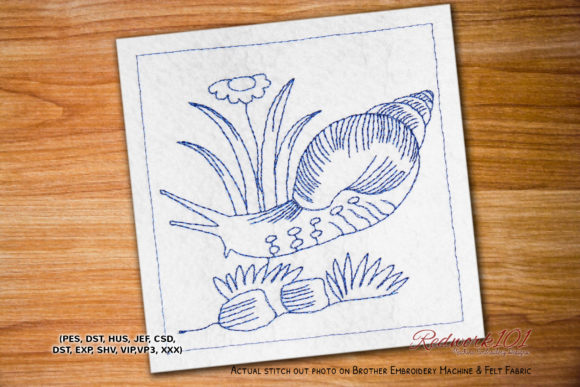
When I first opened the Giant African Snail machine embroidery design, I immediately saw its potential for the right kind of handmade market customer. This is not a delicate, shabby chic design. It is bold, slightly humorous, and undeniably eye-catching. The large snail body has a sculptural quality that reads well from a few feet away, which is exactly what you need when a customer is walking past your craft fair booth at a weekend market. The optional Box Stitch frame around it gives you a choice between a clean, contained patch-style look or a freestanding motif that can float on a tote bag design or apron embroidery. That flexibility alone makes this a strong candidate for batch production across multiple product lines.
Let me be honest about the color note in the description. The outer box is shown in a different color in most examples. You can skip that color entirely if it does not suit your product palette. This means the Giant African Snail works equally well as a standalone focal point or as part of a coordinated set of nature-themed or bug-themed goods. The design sits comfortably in the Bugs category, but it has enough personality to feel more like a conversation starter than a generic insect motif. It appeals to customers who appreciate quirky, character-driven Embroidery art rather than purely decorative stitching.
Tote Bags and Market Bags
The generous proportions of the Giant African Snail make it a natural fit for the center panel of a canvas tote bag. I have tested similar sized motifs on 10-ounce cotton totes, and the stitch density of this design holds up well without puckering the fabric. Your customers will notice the snail immediately because the shape is so recognizable and unexpected. A tote bag with this design becomes a statement piece. It is not the kind of bag someone buys to blend in. It is the bag they carry to farmer's markets, craft fairs, and bookstores where they know someone will comment on it. That social currency drives impulse sales at your booth.
Apron Embroidery and Tea Towel Embroidery
This design works beautifully on aprons and tea towels because the snail body has enough interior detail to feel substantial but not so much density that it becomes stiff on lightweight fabric. For apron embroidery, I recommend placing it on the bib or the lower pocket area. On tea towels, center it or offset it slightly for a modern look. The optional Box Stitch creates a neat border that mimics a framed illustration, which photographs exceptionally well for Etsy listings. If you are a small shop product creator, the tea towel version of this design is one of the easiest ways to test demand before investing in larger tote bag runs.
Embroidered Patches
The Giant African Snail is almost begging to become an embroidered patch. The solid body and clear outline make it ideal for a freestanding patch that can be ironed onto jackets, backpacks, or denim vests. Customers at craft fairs love patches because they are low-commitment purchases with high personality payoff. You can produce a batch of these quickly, especially if you test the stitch density on your chosen twill or felt base. The Box Stitch, when used, gives the patch a finished edge that looks professional and durable. I would recommend offering both the stitched box version and the no-box version so customers can choose their preferred look.
Caps and Small Pouches
On curved cap surfaces, the Giant African Snail needs careful placement. The design is wide enough that it should sit centered on the front panel rather than riding up toward the crown. I suggest testing it on a cap sample before committing to a production run. The snail shape works well on small fabric pouches, makeup bags, and pencil cases because the motif fills the space without overwhelming it. These smaller items are excellent add-on sales at your booth. When a customer buys a tote, they often pick up a pouch to match. That repeat motif creates a cohesive brand look that signals quality and intentional design assets.
First Glance Appeal
The Giant African Snail communicates clearly at a glance. Customers do not have to squint or ask what it is supposed to be. That immediate recognition is critical for moving product in a crowded craft fair environment. People walk by booths quickly, and designs that take too long to read get passed over. This snail is instantly readable. It also invites a smile. Handmade product buyers are drawn to items that make them feel something. Humor and unexpected charm are powerful selling tools.
Photography for Online Listings
This design photographs extremely well because the snail body has enough contrast and dimension to show up clearly in product photos. If you sell on Etsy or your own website, the Giant African Snail will look good on a white background tote or a natural linen towel. I recommend creating at least one printable mockup for your listings. A mockup showing the design on a tote bag, a tea towel, and a patch gives customers a clear vision of how they can use the embroidery file in their own shop. That versatility increases the perceived value of your digital products.
Batch Production Feasibility
For craft fair sellers who stitch their own goods, this design is friendly for repeat production. The thread colors are limited, which means less time switching cones and rethreading. The stitch density, while solid, does not create excessive stiffness or distortion when hooped properly. I have seen similar motif designs run fifteen to twenty times in a single production session with consistent results. That reliability matters when you are building inventory for a weekend market. You want designs that behave predictably across multiple fabric textures and product types.
Careful Use Notes for Embroidery Designers
Before you commit to a full production run, there are a few considerations I want you to be aware of. These are based on my own experience testing similar designs.
- Dense stitch areas: The snail body has sections that may concentrate stitches in a tight area. This is typical for designs with rounded, solid shapes. I recommend testing on scrap fabric first to see how the fabric handles the density. A medium-weight stabilizer is usually sufficient, but if you are stitching on a thick towel or textured fabric, consider adding a tear-away layer beneath the main stabilizer.
- Tiny details: The eye and antenna areas are small features that can lose clarity if you resize the design down too aggressively. Keep the Giant African Snail at its intended hoop size or larger. If you need to reduce it for a small pouch or cap, check that the fine details remain crisp before stitching a final product.
- Dark fabric: The thread colors in this design may need a white or light underlay if you stitch on dark fabric. Test the contrast carefully. A dark snail on a dark tote bag will disappear. I always stitch one sample on the exact fabric I plan to use for my booth inventory.
- Textured towels: Tea towels with a high loop or textured weave can absorb stitch detail. I recommend using a water-soluble topping to keep the stitches visible and clean. This extra step takes time but ensures your finished product looks professional and sellable.
- Cap curvature: As I mentioned earlier, caps present a curved surface that can distort wide designs. The Box Stitch may need to be omitted for cap placements because the frame can pull unevenly across the curve. Test one sample before stitching a batch.
Practical Embroidery Designer Recommendations
Here are the steps I take whenever I evaluate a new digital embroidery file like this Giant African Snail design before adding it to my product lineup.
- Test on scrap fabric: Use the same fabric weight and type you plan to sell. Run one full stitchout and examine the tension, density, and registration.
- Check thread contrast: Hold your chosen thread colors against the fabric in natural light. What looks good on a screen may feel flat in person.
- Review spacing: The Box Stitch creates a frame around the snail. Make sure the spacing between the snail body and the box is even and visually balanced.
- Confirm hoop size: Verify that the design fits comfortably within your available hoop sizes. It is frustrating to discover mid-production that you need a larger hoop than you have prepared.
- Inspect stitch density: Run your finger over the test stitchout. If it feels board-stiff, you may need to reduce density or add a softer stabilizer. For patch applications, a firmer feel is acceptable. For tea towels and apparel, you want flexibility.
- Use the right stabilizer: Medium-weight cutaway for totes and caps. Tear-away for towels and lightweight fabrics. Fusible for patches.
- Create at least one real mockup: Photograph the stitched sample on a plain background and on a model if possible. This mockup becomes your primary listing image and your booth display sample.
- Compare fabric colors: The Giant African Snail looks best on natural tones, soft grays, and muted greens. High-contrast colors like black or bright red can work, but test first.
- Confirm commercial licensing: Check the terms of your embroidery file purchase to ensure you have the right to sell finished products. Most reputable designers allow commercial use, but always verify before listing your items for sale.
How Giant African Snail Affects Your Booth Display
When I design my booth layout, I think about which items stop foot traffic and which items convert that interest into sales. The Giant African Snail is a traffic stopper. It is unusual enough that people will point at it, laugh, or ask about it. That engagement is gold at a craft fair. Once a customer is holding your tea towel or tote bag and smiling, you are halfway to a sale.
The design also supports brand consistency. If you build a small collection around the snail theme, with matching companion motifs like leaves or botanical elements, you create a visual story that ties your booth together. Customers remember cohesive displays. They are more likely to follow your shop on social media or bookmark your Etsy shop for future purchases.
For commercial embroidery sellers who produce goods for other small businesses, this design is a strong addition to your catalog. Boutique owners and gift shop buyers are always looking for fresh, conversation-starting products. The Giant African Snail fits that niche perfectly.
Final Thoughts on Production and Selling
This design is not for every booth. If your brand leans toward minimalist, farmhouse, or highly feminine aesthetics, the Giant African Snail may feel out of place. But if you serve customers who love nature with a twist, quirky gifts, and handmade items with personality, this design will resonate. The optional Box Stitch gives you a way to adjust the presentation from casual to framed and polished. The limited thread palette keeps production efficient. The large scale makes it visible across a room.
I recommend starting with one product category, such as tea towels or patches, and testing the response over one or two events. Track which products move quickly and which ones generate the most conversation. Use that feedback to expand into totes, aprons, and pouches. The Giant African Snail has the versatility to support a full product line, but it is smart to validate demand before scaling. Test your machine embroidery design thoroughly, pay attention to fabric texture and stabilizer choices, and create strong design assets for your listings and booth displays. With careful execution, this snail can become a reliable performer in your handmade product lineup.